Crash games have emerged as a popular genre in the online gaming landscape, captivating players with their unique blend of simple mechanics and thrilling risk-reward dynamics. The history of crash games can be traced back to the early 2010s, with the introduction of titles like “Aviator,” which set the stage for a new wave of interactive gambling experiences. This report explores the evolution of crash games, highlighting their key developments and the rise of notable titles like “Chicken Road.”
The inception of crash games can be linked to the broader trend of online gambling and betting platforms that sought to engage players through innovative gameplay. The first major success in this genre was “Aviator,” launched by Spribe in 2019. The game featured a simple premise: players place bets on a multiplier that increases over time as a plane ascends. However, the catch was that the plane could crash at any moment, forcing players to cash out before the multiplier disappeared. This tension between risk and reward captured the attention of players, leading to a surge in popularity.
Following the success of “Aviator,” numerous developers began to explore the crash game format, each adding their unique twists and features. The genre’s appeal lies in its simplicity and the adrenaline rush it provides. Players enjoy the thrill of watching the multiplier climb, but they must also make quick decisions about when to cash out, creating a dynamic and engaging experience. This blend of strategy and luck has made crash games a staple in online casinos and betting sites.
One of the key developments in the crash game genre was the introduction of live dealer features, allowing players to interact with real-time gameplay and other participants. This innovation enhanced the social aspect of crash games, making them more engaging and competitive. Players could watch as others cashed out or risked their bets, heightening the overall excitement of the game.
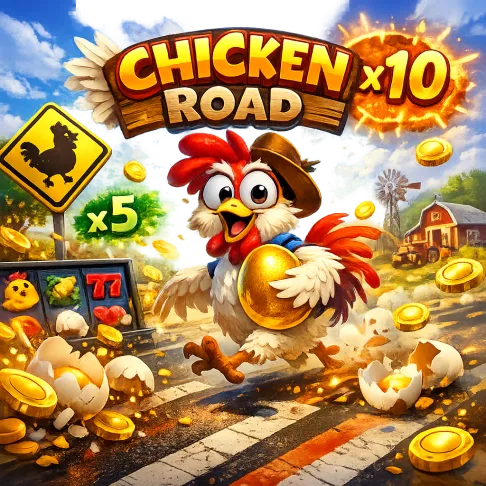
As the genre evolved, new titles began to emerge, each with its distinct theme and mechanics. “Chicken Road,” developed by a different studio, is a notable example that has gained traction in the crash game community. In “Chicken Road,” players navigate a similar multiplier system, but with a whimsical twist involving chickens crossing roads. This playful theme appeals to a broader audience, including casual gamers who may not typically engage with traditional gambling games.
The rise of mobile gaming has also played a significant role in the popularity of crash games. With the increasing accessibility of smartphones and tablets, players can enjoy crash games anytime and anywhere. This convenience has led to a growing user base, as more individuals are drawn to the thrill of crash games during their daily routines.
In conclusion, the history of crash games, from “Aviator” to “Chicken Road,” showcases the genre’s rapid evolution and its ability to captivate players through innovative gameplay mechanics. As developers continue to experiment with themes and features, the future of crash games looks promising, with potential for further expansion and diversification. The blend of strategy, luck, and social interaction will likely keep players engaged and eager for new experiences in this exciting genre.